
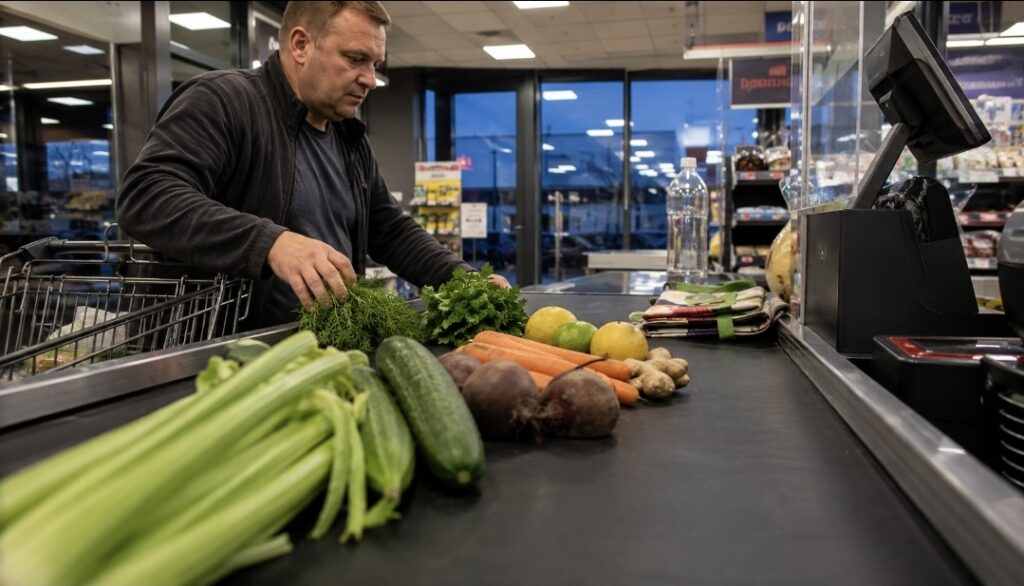
On shopping day the trolley looks sorted. Bags of greens, a row of carrots, celery standing up at the front, lemons and ginger in the corner. It looks like plenty.
By day two the gaps show. Either the produce has run short and you are back at the shop, or the soft herbs and delicate greens have already slumped in the drawer while you worked through the sturdier stuff. The shop that looked organised was really just a guess. Getting the shopping right is less about buying a lot and more about buying what survives until the day you need it. If the fast itself is still a question mark, start with how to do a juice fast properly before filling the trolley.
What Needs to Be in the House Before the First Juice
Four things have to be ready before the first juice, and produce is only one of them. The produce, enough bottles to hold a day’s juice, a juicer that works and is clean, and the fridge space to keep it all cold.
The bottles get mostly forgotten. A day’s worth of juice needs containers ready, and finding out at first thing in the morning that you have one clean bottle is a bad start. Choose bottles before shopping with best bottles for fresh juice, make sure the machine is suitable with best juicer for juice fasting, and clear fridge room before the bags arrive home so fresh juice storage is not an afterthought.
Fridge space is the bit nobody plans for. A few days of produce plus a row of full bottles takes up more room than a normal weekly shop, and a packed fridge means warm bottles on the counter or produce pushed to the back and going soft.
Clear a shelf and a drawer before the shop, not while standing there with bags in hand. How much room you have also decides how much you should buy in one go — a small fridge is a reason to shop in shorter rounds rather than loading up for the week.
The juicer has to be ready too — not in pieces in a cupboard, not last cleaned three weeks ago with dried pulp in the mesh. The day before, plug it in, check that the parts are clean, and make sure there is no dried pulp left in the screen before the first morning goes on scrubbing instead of juicing.
The Core Produce That Belongs on Every List
The backbone of a juice fast shopping list is short and reliable. It splits into four jobs:
- The high-water base: celery and cucumber, the bulk of most juices by volume.
- The bulk greens: leafy greens such as kale, spinach, and romaine for the green juices.
- The earthy sweeteners: carrots and beetroot for the denser, sweeter juices that carry you through the afternoon.
- The flavour lifters: lemon or lime and ginger to sharpen the flavour and keep the colour brighter for longer, plus a small amount of apple to take the edge off the green blends.
That short list covers the basics without turning the fridge into a pile of unused produce. Most of that list is sturdy — celery, cucumber, carrots, and beetroot all hold for days, which is why they make up most of the shop, and the fragile stuff bought in small amounts. Purchased once, they are still good on the third or fourth day, which is why they are worth getting in quantity up front.
How much of what comes down to taste and what is fresh in the shop. If organic produce increases the spend, organic vs non-organic juicing should be checked before paying extra on every item.
NOTE: Build the shopping list around what lasts, not what looks good
Celery, cucumber, carrots, and beetroot hold for days in the fridge. Soft herbs and delicate greens do not. Build the bulk of the list around the sturdy produce and treat the fragile stuff as a small, fresh top-up.
How to Buy Enough Without Filling the Trolley
How much to buy has no fixed answer. It shifts with how long the fast runs, how many juices you drink a day, and whether you make each juice fresh or prep a batch ahead.
Those three things change the shop more than anything sitting on the produce shelf. The number of juices a day sets the daily produce load, so how many juices per day on a juice fast should be checked before shopping.
A short fast and a long fast need very different shops, and the planning splits at that point between the 3-day juice fast plan and the 7-day juice fast plan. For a shorter fast, how much produce for a 3-day juice fast takes the guesswork out of the amounts.
In practice, the first shop is really how you find out what you actually use: what gets juiced, what softens, and what runs out first. The second shop should be smaller, far easier to judge, and built around what came up short the first time rather than guessed again from scratch.
Where the Money Gets Wasted Before the Fast Even Starts
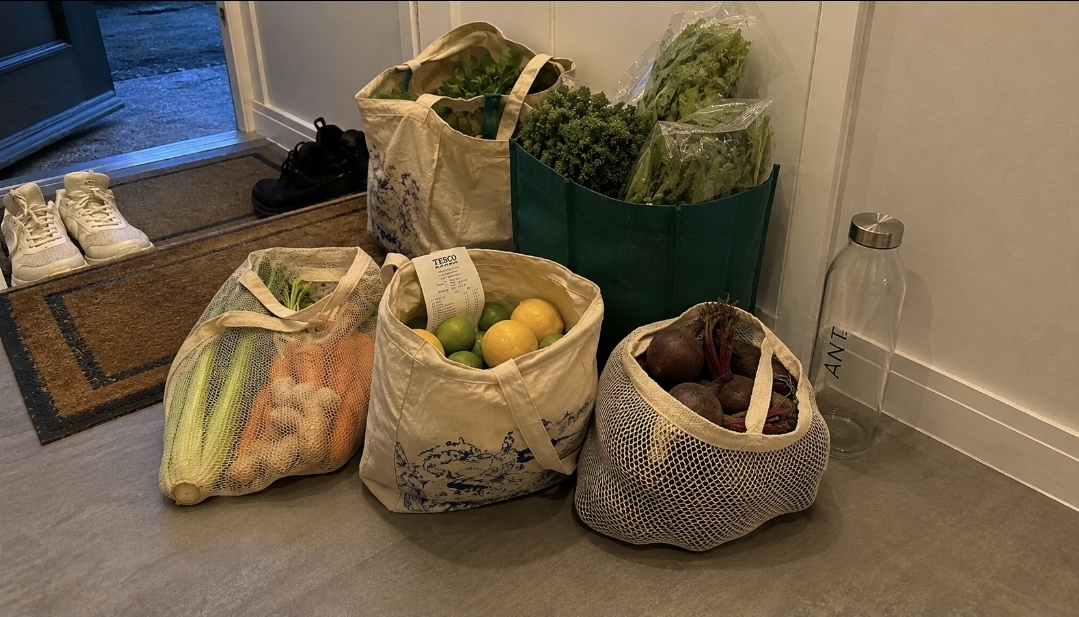
Most of the money lost on a juice fast is lost before the first juice, in the bin rather than the juicer. Produce bought for the whole fast in one trip sits waiting, and the last two days’ worth softens while you get through the first few days.
Buying in stages cuts most of the waste. Buy the first few days, use them, then shop again rather than loading up for the whole run at once. The detail on what goes off first and how to time the buying is in how to prep produce for juicing. For the cost side, how much a juice fast costs has the numbers, while budget juice fasting keeps the cheaper shop focused on produce that will actually last.
What Not to Load Up On
Some things should stay out of the bulk shop: soft herbs, berries, delicate greens like baby spinach, and expensive extras such as wheatgrass or specialist powders. They go in the trolley looking fresh and are the first things to turn before it’s time to juice. Buy them small and fresh, close to when you will use them, and leave the extras until the core list is bought first.
Bottled juice that is not freshly made does not belong on the list at all. The point of the fast is fresh juice; pre-bottled supermarket juice is something else entirely, commonly pasteurised and sweeter than anything you would make yourself.
What to Have Ready the Night Before
The night before the first juice is the last bit of the shop. The fridge needs space cleared so the produce and the bottles go in easily Group the produce so the morning is not a search — greens together, roots together, the lemons and ginger where they are easy to grab.
The juicer should be clean and assembled, not waiting in the cupboard in pieces. The bottles should be washed and ready to fill. The night-before check is physical: produce grouped, juicer clean, bottles ready, fridge space cleared. The washing and chopping is a separate task, covered in how to prep produce for juicing. If you are making several days at once, batch juicing for a juice fast sets out the order to work in.
ACTION: Stage the first shop, then shop again
Buy the first two or three days. Leave the fragile, expensive extras out of the first trip. Clear the fridge before you buy more, and let the next shop happen after the first round has actually been used.
The night-before check is plain: everything bought, everything reachable, nothing still in a bag on the counter. Buy for the first few days, not the whole fast. Keep the fragile produce to a small fresh top-up rather than a big bag that softens. A full trolley feels like the right call at the time. What you actually needed only becomes clear once you see what got juiced and what got binned.