

What a Beginner 3-Day Juice Fast Includes
A typical 3-day juice fast for beginners includes 4–6 mostly vegetable juices per day, each 16–20 oz, spaced roughly 2.5–4 hours apart. Plain water, herbal tea, and optional black coffee can also fit into the plan if tolerated.
Some beginners notice fewer headaches, less standing dizziness, and less of a drained feeling when sodium intake does not drop too low. Keep any extra sodium modest. You are not trying to take large amounts of salt. You are trying to avoid large changes in fluid and mineral balance while you are fasting.
If the first days are difficult, fasting itself is often only part of the reason. The discomfort often comes from not enough juice, too much plain water, low salt intake, caffeine withdrawal, or waiting too long between juices.
Keeping juices, water, and mineral intake steady can make the first three days easier to manage.
Who This 3-Day Plan Is For
A 3-day juice fast can suit beginners who want to try a short fast before considering anything longer.
If you haven’t decided which fasting path fits you yet, start with the main juice fasting guide before choosing a duration.
For some healthy adults, three days is enough to notice changes in hunger, energy, and appetite during a juice fast without committing to a longer fast.
A short juice fast can also give you a break from heavier eating and show you how you respond before you consider fasting for longer.
Who Should Not Do This Fast Without Medical Advice
A 3-day juice fast is not appropriate for everyone.
Do not start a 3-day juice fast without medical advice if you are pregnant, breastfeeding, managing diabetes, using glucose-lowering medication, taking diuretics, dealing with kidney disease, living with heart problems, or managing unstable blood pressure.
Anyone with a current or past eating disorder should avoid fasting unless a qualified professional is involved.
Stop the fast and seek medical care if you experience confusion, chest pain, fainting, persistent vomiting, severe weakness, or symptoms that keep getting worse instead of settling.
How the 3 Days Usually Run
- Day before: reduce caffeine, shop for produce, prepare bottles, and decide how you will handle fluids and minerals.
- Day 1: drink 4–6 mostly vegetable juices, keep fluids steady, and watch for caffeine-related headaches.
- Day 2: expect the hardest day for many beginners. Poor juice timing, low sodium, or too much plain water can make headaches and fatigue worse.
- Day 3: energy is often steadier. Finish calmly and prepare to bring food back slowly.
- Day 4: break the fast with light food, small portions, and no heavy binge meal.
You should not have to force yourself through worsening symptoms just to finish three days. Regular juice, enough fluid, and sensible mineral intake can make the fast easier to tolerate.
3-Day Juice Fast Shopping List
For a beginner 3-day juice fast, choose produce that makes vegetable-heavy juices you can repeat across the three days.
- Cucumber
- Celery
- Spinach
- Kale or romaine
- Lemon or lime
- Ginger
- Green apples
- Carrots, used lightly
- Parsley
- Mineral water or a basic electrolyte mix
- Clean bottles for storing prepared juice
If you want more ingredient choices before shopping, the juice fast shopping list gives you a wider range of produce to choose from.
For the quantities, see how much produce you need for a 3-day juice fast.
For this plan, do not build every juice around fruit. A little green apple or carrot can make the juice easier to drink, but vegetable-heavy juices usually keep hunger and energy steadier.
Preparation: The Day Before
Cutting caffeine and buying your produce the day before can make the first day easier. The day before starting, reduce caffeine by half so withdrawal feels less abrupt. Eat more vegetables and skip heavy processed foods so digestion feels lighter going in.
Decide how you will handle sodium and fluids. Some people use mineral water, others add a small pinch of salt to water when needed, and some use a simple electrolyte mix. Keep any added sodium modest rather than guessing large amounts.
Prepare juices ahead of time if possible. Label the bottles. Decide roughly when you will drink them before you begin.
Stopping caffeine suddenly can make headaches, fatigue, and irritability worse on the first day.
Try to keep the day calm and avoid packing it with extra work or commitments. Fasting of any kind is usually easier when work and obligations are lighter.
Day 1: Start Steady
Day one often starts normally, with hunger and tiredness becoming more noticeable by the afternoon. Hunger often follows your usual eating routine at first. It rises around the times you normally eat, then fades again if you keep juices spaced through the day.
Drink your juices steadily rather than waiting until hunger becomes intense. Most beginners do better with one juice in the morning, one late morning or midday, one mid-afternoon, one early evening, and an optional lighter juice later if needed.
Early water loss can happen as your body uses stored carbohydrate. That may increase urination and make mild headaches more likely, especially if sodium intake is low.
Cleveland Clinic lists headache, fatigue, and irritability among common caffeine withdrawal symptoms (Cleveland Clinic).
Mild hunger, tiredness, or headache on day one does not automatically mean you need to stop. Hunger usually rises and fades rather than building nonstop.
If a mild headache eases after a small amount of sodium and you are not dizzy when you stand, your symptoms are less concerning. You may feel briefly more tired between juices. Severe weakness, confusion, or unsteadiness are reasons to stop rather than continue fasting.
Day 2: Keep Juice Timing and Minerals Steady
For many beginners, day two feels like the hardest stretch. You may feel more tired, and concentration can come and go through the day.
By this point, stored carbohydrate from normal eating is lower. You are now taking in fewer calories, more fluid, and food at different times than usual. You may feel heavier, move more slowly, and think about food more often.
Hunger often changes on the second day. Instead of sharp spikes, hunger may become milder and more constant. You may still think about food, but the intense waves from day one often soften.
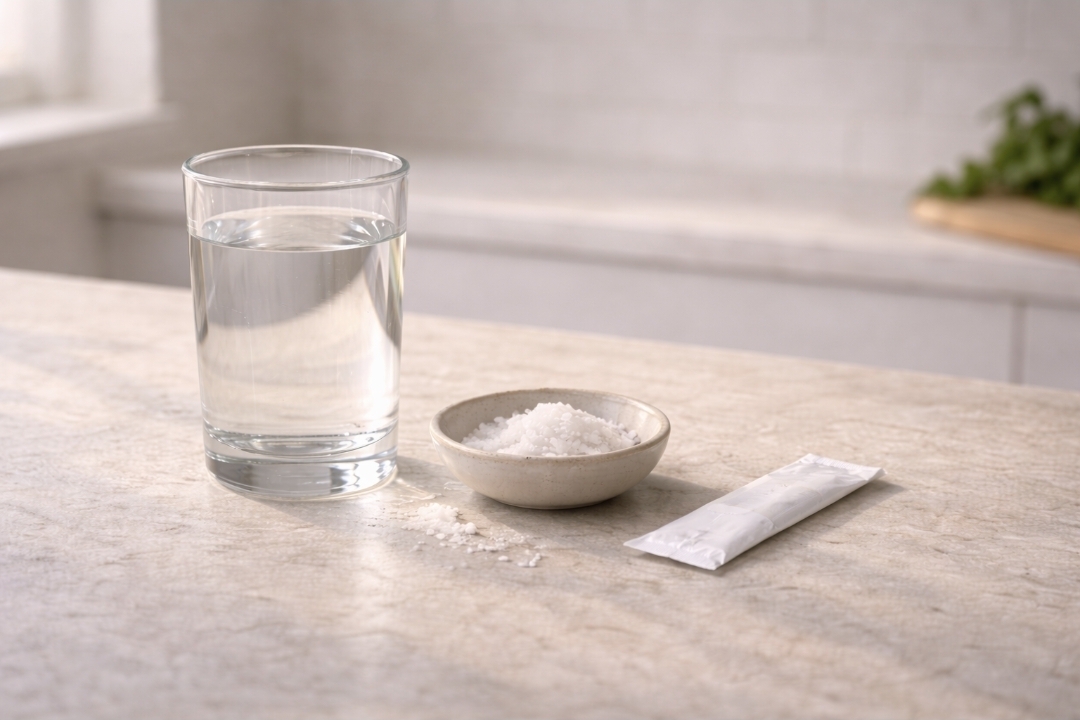
Sodium becomes more important on the second day. Lower food intake usually means less salt coming in, while drinking a lot of plain water can make headaches, dizziness, or nausea worse for some people, especially if sodium intake is very low.
A small amount of sodium may help if the headache is related to low sodium, but severe or worsening symptoms mean you should stop fasting. Do not try to push through confusion, fainting, chest pain, persistent vomiting, or dizziness that does not settle.
The fatigue on day two usually feels like heaviness or slower movement. Workouts feel harder than usual. Keep activity light and do not push through unusual weakness just to complete a workout.
You may sleep more lightly that night. You are eating fewer calories and may also be drinking less caffeine than usual. Walking should still feel manageable, and concentration may improve slightly by evening.
If headaches keep returning, juice fasting headaches can help you separate common fasting headaches from warning signs, while electrolytes for juice fasting headaches is more relevant when low sodium or mineral loss may be involved.
Day 3: Finish Calmly and Prepare to Eat Again
Day three often feels more stable than day two.
You may still feel hungry, but the hunger is often less intense. Sharp hunger pangs often become milder and less frequent.
Fluid balance can also become easier to manage. The largest early water loss has usually passed, so you may not need to urinate as often.
You may still feel tired, but the tiredness is often more consistent through the day. Sudden drops in energy between juices become less common, and spacing juices through the day feels easier.
By the third day, you may think about food less often.
Dizziness should not be getting worse at this stage. Mild headaches should ease with rest, fluids, and a modest amount of sodium rather than keep getting worse. If symptoms escalate instead of easing, the fast should stop.
Keep the final day calm. Do not treat the end of the fast as permission to plan a heavy meal. What you eat after the fast can affect how you feel just as much as what you drank during the three days.
Daily Juice Schedule Example
- 8:30 am: 18 oz green juice — cucumber, celery, spinach, lemon, small green apple
- 11:30 am: 16 oz vegetable blend — zucchini, parsley, romaine, ginger
- 2:30 pm: 18 oz green juice — kale, celery, cucumber, lemon
- 5:30 pm: 16–20 oz mixed vegetable juice — carrot limited to one small carrot
- 8:00 pm: 16 oz light green blend — cucumber, spinach, lime
You do not have to follow those exact times or amounts. Some people prefer four larger juices. Others need five or six smaller ones. If four juices leave you hungry or six feel excessive, how many juices per day during a juice fast can help you choose an amount that better matches your day.
Try not to leave long gaps between juices.
Water, Salt, Coffee, and Herbal Tea
Outside of juice, aim for roughly 1.5–3 liters of additional fluid depending on body size, climate, and activity. Urine should look pale yellow rather than perfectly clear.
If you become lightheaded, do not automatically drink more plain water. A small amount of sodium or a mineral-rich vegetable juice may be more appropriate than additional plain water.
If mild headache or lightheadedness suggests your sodium intake may be low, one example is a small pinch of salt in water mid-morning or mid-afternoon. Keep the amount modest and avoid large doses.
You can still drink black coffee during the fast if you tolerate it. Limit it to one or two cups in the morning and avoid it after early afternoon. If you extend fasting beyond three days, taper caffeine further.
Herbal tea is fine for most people. Do not drink herbal tea instead of a planned juice if you are already feeling low on energy.

What Makes a 3-Day Juice Fast Harder
Too much fruit juice raises appetite and tends to increase cravings later in the day. Vegetable-heavy juices usually keep hunger steadier.
Skipping juices can make the day harder. Waiting too long between bottles can leave you hungrier and more tired.
Too little sodium can cause headaches and dizziness that people sometimes blame on fasting itself.
Drinking large amounts of water without minerals can make fatigue and head pressure worse for some people.
Hard workouts are a poor fit for a beginner 3-day juice fast. Walking is usually enough.
Caffeine withdrawal can also make the first day much harder. If you normally drink several coffees per day, taper before you start instead of stopping suddenly on day one.
Snacking “just a little” interrupts the fast and can bring hunger back sooner later in the day.
Poor sleep can make hunger, headache, and fatigue feel worse. Start the fast when your schedule gives you some room to rest.
Several small problems at once can make the three days much harder.
How to Break the Fast After 3 Days
Do not finish day three and jump straight into a heavy meal.
Start with small portions of foods that are easy to digest. First foods can include fruit, broth-based soup, steamed vegetables, or a small meal with few rich or fatty ingredients.
Avoid greasy meals, large portions, heavy meat, alcohol, and overeating on the first day after the fast. You have eaten no solid food for three days. Do not follow the fast with a large, greasy meal.
If you are unsure what to eat first or how quickly to increase portions, how to break a juice fast properly gives you a more detailed return-to-food plan.
Safety Signs That Mean Stop
Some symptoms mean the fast should stop immediately.
Diabetes medication can cause blood sugar to fall too low during a fast. Blood pressure medications and diuretics can also change how much fluid and sodium you retain.
Kidney disease changes fluid tolerance. Pregnancy and breastfeeding are not appropriate periods for fasting. Anyone with an eating disorder history should seek medical guidance before attempting a fast.
Stop immediately and seek medical care if confusion, chest pain, persistent vomiting, fainting, severe weakness, or worsening dizziness occur.
Do not keep fasting just to prove you can finish the three days. If clear warning signs appear, stop fasting.
Questions Beginners Often Ask
Is a 3-day juice fast safe for beginners?
A healthy adult may be able to complete a 3-day juice fast, but some medical conditions make fasting unsafe without medical advice. Anyone pregnant, breastfeeding, taking diabetes medication, using diuretics, dealing with kidney disease, managing unstable blood pressure, or recovering from an eating disorder should not do it without medical advice.
How many juices should I drink each day?
Most beginners do best with 4–6 juices per day, usually 16–20 oz each, spaced roughly 2.5–4 hours apart. If you feel weak, dizzy, unusually hungry, or drained between juices, check whether the gaps are too long before assuming the fast itself is the problem.
Can I drink coffee during a 3-day juice fast?
Yes, black coffee can fit if you tolerate it. Keep it to one or two cups in the morning. If caffeine makes you shaky, anxious, acidic, or unable to sleep, reduce it before the fast rather than relying on it during the three days.
How much weight can you lose on a 3-day juice fast?
The early scale drop is mostly water and reduced food volume, not pure fat loss. Some fat loss can happen because calories are lower, but do not judge the three days only by the lowest scale number you see.
What is the hardest day of a 3-day juice fast?
Day two is often the hardest for beginners. You may feel more tired, hunger may become more constant, caffeine withdrawal may be stronger, and low sodium can become more noticeable.
What should I eat after a 3-day juice fast?
Start with small portions of foods that are easy to digest. Fruit, broth-based soup, steamed vegetables, or a small low-fat meal are easier choices than a large greasy meal. Keep portions small on the first day after the fast.
Should I exercise during a 3-day juice fast?
Keep exercise light. Walking is usually fine. Hard workouts, heavy lifting, long runs, and intense classes can leave you unusually weak or lightheaded during a juice fast.
Finish the third day calmly, bring food back slowly, and keep portions small the next morning. A gradual return to food reduces the chance of ending the fast with a large meal that leaves you uncomfortable.