

Celery Juice Benefits: What It Helps With and What It Doesn’t
Celery juice is useful, but it is often oversold. It does not replace a proper diet or medication. But it can still be useful when it helps you get more green juice into your day and stay hydrated.
The benefits are usually simple. Celery juice is mostly water, low in calories, and easy to make part of a morning routine. That can help if your mornings usually start with sweet drinks, heavy food, very little fresh produce, or no real plan.
The problem is that celery juice often gets sold as something bigger than it is. Here is the plain version: what it may help with, what it will not do, and when to be careful.
What Celery Juice Is
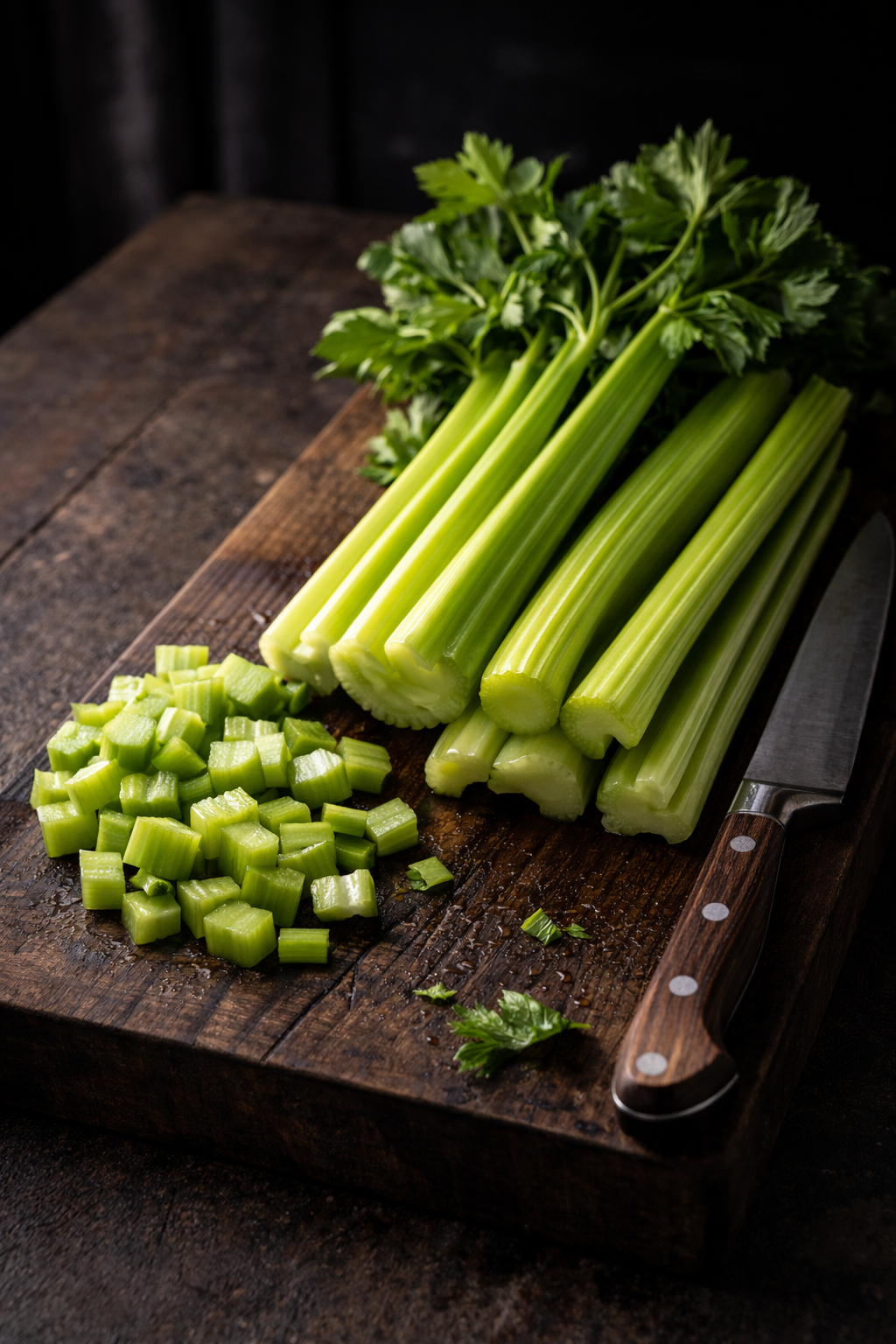
Celery juice is just celery stalks juiced into a green drink. Most people drink it plain, though some mix it into green juices with cucumber, lemon, ginger, or leafy greens.
It is not a complete meal and it is not a replacement for eating vegetables. Juicing removes most of the fibre from celery, so you still need whole foods in your diet. The benefit is convenience. You get a light green juice that is easy to drink before breakfast, between meals, or as part of a planned juice fast.
Celery juice contains water, natural sodium, potassium, vitamin K, folate, and plant compounds such as flavonoids. That sounds impressive, but the everyday benefit is simpler: fluid, minerals, and a lower-calorie drink option.
What People Often Notice
Most changes people notice from celery juice are not dramatic. They are often small changes from drinking a plain green juice instead of something heavier or sweeter.
It Can Help With Hydration
Celery is mostly water, so celery juice can help people who do not drink enough fluid earlier in the day. Some people feel better simply because they start the morning hydrated instead of running on coffee alone.
It Can Replace Sugary Drinks
This is one of the most underrated benefits. If celery juice replaces fizzy drinks, sweet coffee drinks, alcohol, or random snacking, the rest of the day can look different.
The juice itself is not doing anything magical. The swap is doing the work.
It May Help You Feel Lighter
Some people feel less heavy or bloated when they use celery juice instead of a large breakfast, sweet drink, or processed snack. That does not mean celery juice is “detoxing” you. It may simply mean you removed something that was making you feel sluggish.
It Can Fit Into a Simple Daily Routine
Celery juice can help if it helps you start the day with something fresh and makes it easier to choose lighter meals later.
It works best when it sits alongside proper food, not instead of it.
What Celery Juice Does Not Do
Celery juice does not flush toxins out of your body. Your liver, kidneys, lungs, gut, and skin already handle waste removal. Celery juice can help with hydration, but it does not take over the work your body already does.
No drink targets fat from one part of the body. If celery juice helps with weight loss, it is usually because it replaces higher-calorie choices or makes the day easier to control.
Celery juice does not treat high blood pressure either. It may fit into a diet that supports heart health, but it is not a substitute for medical care, blood pressure medication, or proper monitoring.
It also will not cancel out a poor diet. Drinking celery juice in the morning and then eating badly for the rest of the day is not a serious plan.
Celery Juice and Weight Loss
Celery juice may help indirectly when it replaces sugary drinks, snacks, or a heavier breakfast. It does not burn fat, speed up weight loss by itself, or target belly fat. For the weight-loss angle, see does celery juice help weight loss.
Celery Juice and Blood Pressure
Celery juice often comes up in blood pressure conversations, but this overview is not the place for treatment claims. For blood pressure, see does celery juice lower blood pressure.
Does Celery Juice Break a Fast?
Celery juice contains calories, so it breaks a clean fast. Whether that matters depends on why you are fasting. For fasting rules, see does celery juice break a fast.

Side Effects and Who Should Be Careful
Most people tolerate celery juice well in moderate amounts. Problems usually happen when someone jumps straight to large daily servings or treats celery juice like a cure.
Possible side effects include loose stools, bloating, stomach discomfort, reflux irritation, headaches, or feeling worse after large servings. Celery allergy is also possible, though less common.
Be more cautious if you have kidney disease, a known celery allergy, sodium-sensitive health issues, or you take blood pressure medication. If celery juice repeatedly gives you headaches during a fast, see celery juice headaches during fasting.
How to Use Celery Juice Without Overdoing It
Start small. A huge glass first thing in the morning is not necessary, especially if you are new to juicing or have a sensitive stomach.
Drink it fresh when possible. Do not store it for days and expect the same taste or freshness. If you do store it, keep it cold in a sealed bottle and use it quickly.
Do not turn celery juice into your whole breakfast unless you are deliberately following a planned juice fast. For normal daily use, it works better as a light green juice alongside proper meals.
Also, do not force it daily if it makes you feel worse. A habit is only useful if your body handles it well.
FAQ
What are the main benefits of celery juice?
The main benefits are hydration, replacing sugary drinks, supporting a lighter routine, and helping some people start with something fresh and simple.
Does celery juice detox your body?
No. Your liver and kidneys already handle detoxification. Celery juice may help with hydration and better food choices, but it does not flush toxins out of your body.
Can celery juice help weight loss?
It can help indirectly if it replaces higher-calorie drinks or snacks. It does not burn fat by itself or target belly fat.
Is celery juice safe every day?
For many healthy adults, moderate celery juice is fine. Start small and stop forcing it if it causes bloating, loose stool, headaches, or discomfort. If you have kidney disease, blood pressure issues, or take medication, ask a clinician or pharmacist first.
Celery juice works best as a simple drink alongside better food choices, not as a promise.