
Does Cucumber Help You Lose Weight? (Calories, Water Content & Satiety Explained)
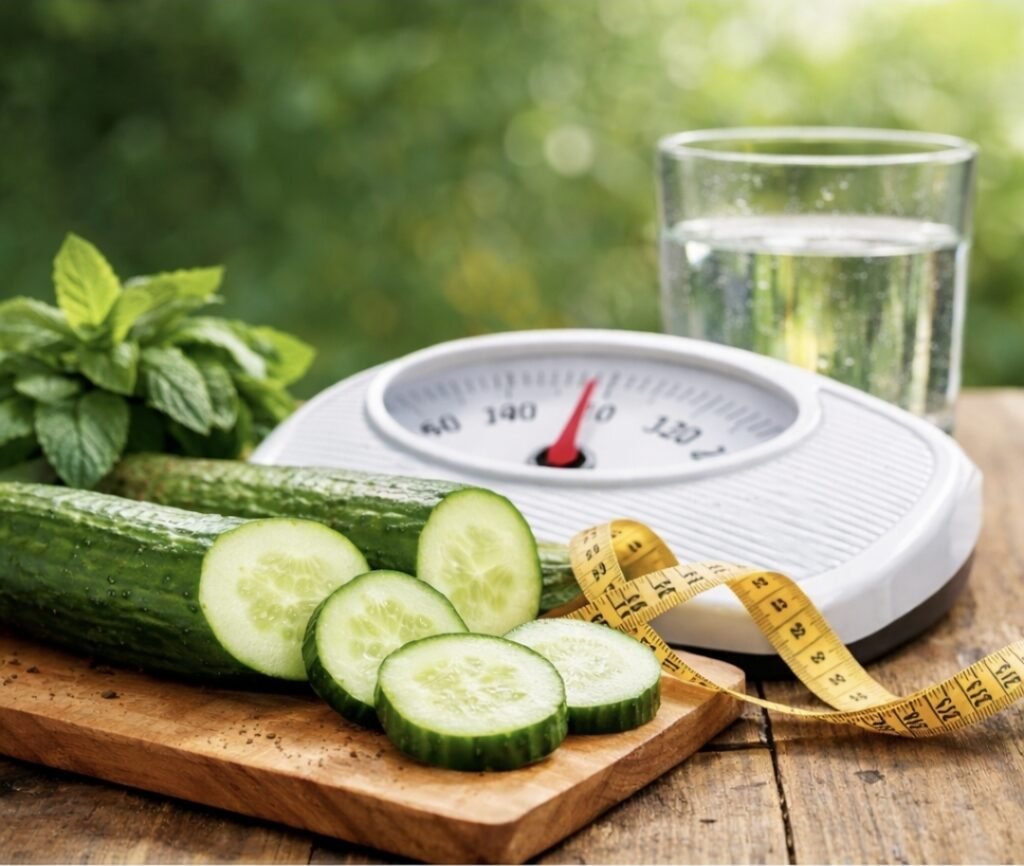
Yes—cucumber can help with weight loss, but not because it “burns fat.” It helps because it’s extremely low-calorie, high-water, crunchy, and easy to use as a replacement for higher-calorie foods. If it helps you stay full, snack less, and stay hydrated, it supports fat loss. If you add cucumber on top of everything else, it won’t move the needle.
Let’s break it down without hype: calories, water content, satiety, and the most practical ways to use cucumber for real-world weight loss.
The short answer: how cucumber supports weight loss
- Very low in calories: You can eat a lot of cucumber for minimal calorie intake.
- High water content: Adds volume to meals (more “mouth feel” and stomach stretch) which can reduce hunger.
- Crunch and fiber (small but useful): Slows eating and improves satisfaction—especially when used as a snack replacement.
- Easy to use: It fits into salads, wraps, side plates, and “emergency snacks” with almost no prep.
That’s the mechanism. No detox magic required.
Calories: why cucumber is “diet-friendly”
Fat loss still comes down to energy balance over time. The reason cucumber is useful is simple: it lets you eat a large volume of food while keeping total calories low.
Compare these two snack options:
- Option A: Crisps + dip = easy to overshoot calories without feeling full.
- Option B: Cucumber + a high-protein dip (Greek yogurt / cottage cheese) = far more volume and satiety for fewer calories.
Cucumber doesn’t “cause” weight loss. It makes it easier to stick to a calorie deficit because you feel like you’re eating more.
Water content: the real “detox” effect is appetite control
Cucumber is mostly water. That matters because water-rich foods increase the size of a meal without adding many calories. Bigger meals (by volume) often mean fewer cravings later.
This is why cucumber-based meals can feel surprisingly satisfying—especially if you pair them with protein and a bit of fat (both increase fullness).
If you’re building a cucumber-focused hub, the bigger picture is worth reading here: Cucumber Detox: What It Really Does (and What It Doesn’t).
Satiety: does cucumber actually keep you full?
On its own, cucumber won’t keep you full for long because it’s low in calories and low in protein. But it can help satiety when you use it properly:
- Add volume to meals: cucumber in salads, bowls, wraps, and sides.
- Replace crunchy snacks: cucumber sticks instead of crisps.
- Pair with protein: tuna, chicken, eggs, Greek yogurt, cottage cheese, tofu.
- Pair with fiber/fat: hummus, avocado, olives, nuts (portion-controlled).
Satiety is rarely one ingredient. It’s a setup: volume + protein + fiber + time. Cucumber nails the volume part.
“Cucumber for belly fat”: what’s true and what’s nonsense
Cucumber doesn’t target belly fat specifically. No food does. “Belly fat” reduces when overall body fat reduces, which happens through consistent calorie control and decent lifestyle basics (sleep, movement, stress management).
What cucumber can do is reduce bloating for some people because it’s hydrating and light, and it can replace saltier, heavier snacks. That can make your stomach look flatter quickly—but that’s water and digestion, not fat loss.
Cucumber water and “detox drinks”: helpful, but don’t overthink it
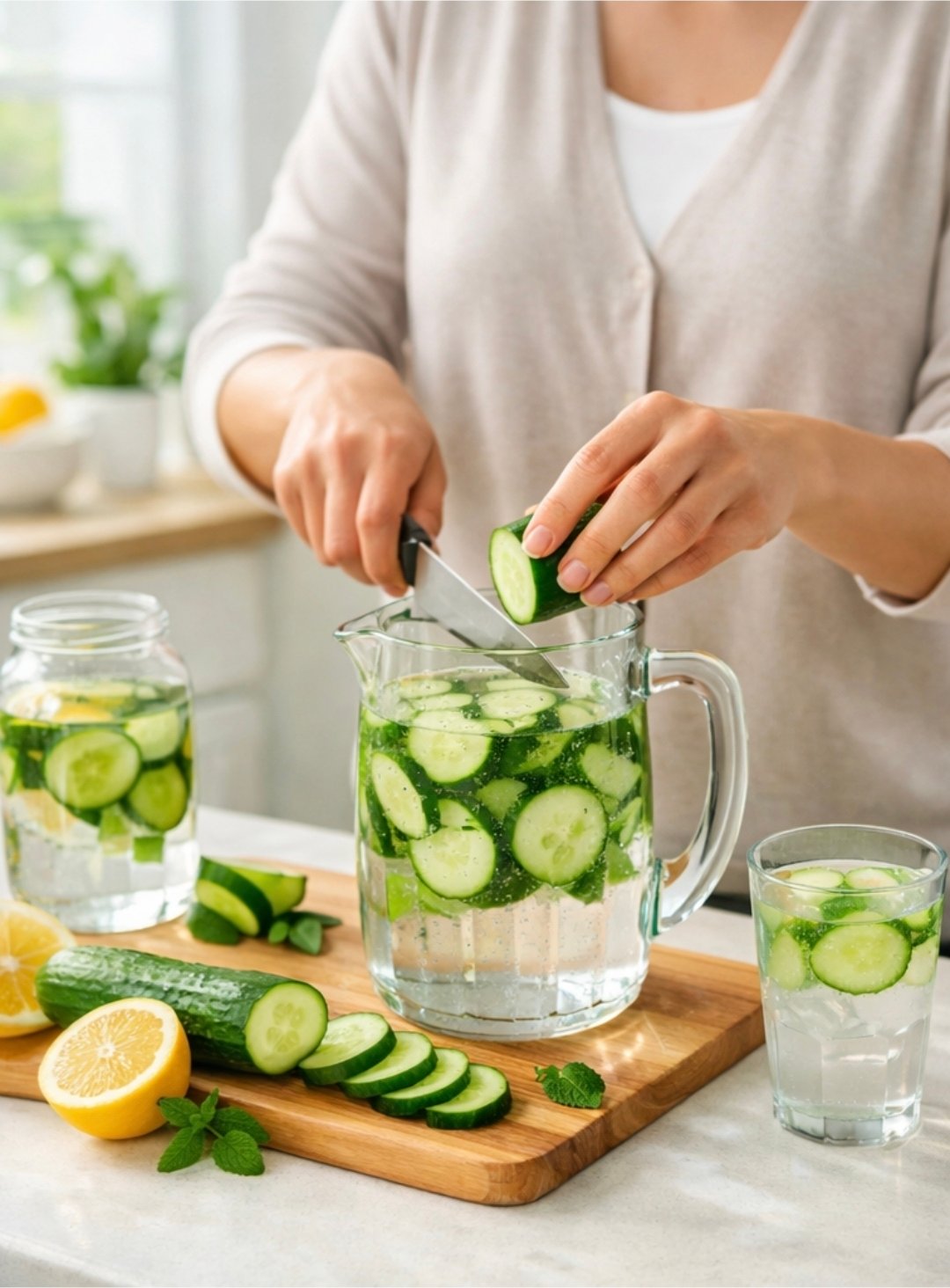
Cucumber water is fine. It can help you drink more fluids if plain water feels boring. That can reduce false hunger (a lot of people confuse thirst for hunger).
But cucumber water doesn’t “flush fat.” If you like detox-style drinks as part of a routine, use them as a structure tool, not a miracle. This list is a good companion piece: Best Detox Drinks for Weight Loss.
Best ways to use cucumber for weight loss (realistic and repeatable)
Here are the simplest high-impact uses—no complicated recipes required.
1) The “volume starter” before meals
Eat a bowl of cucumber (plus a pinch of salt, lemon, pepper) before your main meal. It slows you down and takes the edge off hunger, so you’re less likely to overeat.
2) The snack replacement rule
Any time you want crisps or biscuits, swap the first round for cucumber sticks. If you still want the snack after 10 minutes, you can have it—but most of the time cravings drop once your mouth and stomach get some volume.
3) Pair it with protein so it actually lasts
Cucumber + protein is where it becomes powerful:
- Cucumber + tuna + lemon
- Cucumber + Greek yogurt + herbs
- Cucumber + eggs + mustard
- Cucumber + chicken + salsa
This turns “low-calorie watery food” into something that keeps you full.
4) Use cucumber to “stretch” higher-calorie meals
Examples:
- Add cucumber to sandwiches/wraps so you need less cheese/mayo to feel satisfied.
- Add cucumber to rice bowls so you can reduce rice slightly without feeling deprived.
- Add cucumber to salads so you can cut back on calorie-heavy dressings.
Does cucumber help weight loss if you’re fasting?
If you’re doing intermittent fasting, cucumber is a great eating-window tool because it helps you control appetite without burning through calories fast.
If you mean “does cucumber break a fast?”—eating cucumber contains calories, so yes, it breaks a strict fast. If you’re serious about clean fasting rules, stick to water and black coffee. If you want a deeper explanation, this is the cleanest reference point on your site: Does Celery Juice Break a Fast? (same principle applies).
Who should be cautious with cucumber?
Most people tolerate cucumber well. But a few situations to watch:
- Digestive sensitivity: some people get bloating from raw veg—peel it, chew slowly, and reduce portion size.
- Reflux: cucumber is usually fine, but individual triggers vary.
- Salt overload: cucumber itself isn’t the problem—over-salting it is. If blood pressure is a concern, keep salt reasonable.
A simple daily cucumber routine (if you want structure)
If you like having a repeatable system, here’s a dead-simple setup:
- Morning: water or cucumber water if it helps you drink more.
- Lunch: add a full cucumber to your meal (salad/bowl/wrap).
- Afternoon: cucumber + protein snack (Greek yogurt dip / tuna).
- Dinner: cucumber starter before your main plate.
This alone won’t make you lean, but it reliably reduces mindless snacking for a lot of people.
FAQ: cucumber and weight loss
How many cucumbers should I eat per day for weight loss?
There’s no magic number. A good practical range is 1 cucumber per day used strategically (snack replacement + meal volume). If you enjoy more and digestion is fine, that’s okay.
Is cucumber at night good for weight loss?
It can be, because it’s a low-calorie way to handle late-night cravings. Pair it with a bit of protein if you’re genuinely hungry (not just bored).
Does cucumber reduce bloating?
For some people, yes—especially if it replaces salty, processed snacks and helps hydration. For others, raw cucumber can cause gas. Your body decides.
Is cucumber good for weight loss without exercise?
You can lose weight without exercise if calories are controlled. Exercise helps results and health, but cucumber mainly helps by making calorie control easier.
The bottom line
Cucumber helps weight loss when it replaces higher-calorie foods and increases meal volume so you feel satisfied. Use it as a tool: snack replacement, meal “stretch,” and hydration support. Keep it simple and consistent, and it will do its job.
If you want the bigger cucumber “detox” picture without the nonsense, start here: Cucumber Detox: What It Really Does (Hydration, Bloat, Weight Loss) — and What It Doesn’t.
Want a simple, structured way to reset your nutrition and drop stubborn water weight?
Use a step-by-step cleanse plan that’s designed to be realistic (and sustainable) — no extremes, no confusion.
For more foundational juicing guidance (so your “healthy” choices actually help), this is a strong supporting read: Health Benefits of Juicing Fruits and Veggies.