

The decision to stop arrives with a calm feeling to it. Not panic, not a breakdown — just a quiet certainty that stopping is the right call. Sensible, even. You feel done. You feel like you’ve given it a fair try. It doesn’t feel like quitting. It feels like the sensible move. If that feeling has arrived and you’re not sure whether to trust it, this guide on what a good cleanse day looks like is worth a few minutes before you act on it.
The Case for Stopping Is Genuinely Convincing
The case you make to yourself for stopping sounds fair. The cleanse was supposed to make you feel better, it isn’t making you feel better, and carrying on with something that feels wrong starts to look stubborn. That sounds sensible.
There is also the everyday version. Work still needs doing. People still need feeding. Life does not pause for three days of drinking only juice. Stopping now feels like eating something sensible, getting back to normal, and trying again on a better week.
Both lines of thinking feel solid. They feel thought through, not impulsive.
Check the Time
When does this decision arrive? Not at 9am on day one. Not after a decent night’s sleep on day three. It arrives at 2:45 in the afternoon on day two. Or 4pm. Or the stretch between the last juice and dinner when nothing has gone quite right since noon.
The hour matters. It is almost always the same hour. The late-day dip — the one that would normally get covered by lunch, a snack, or an afternoon coffee — is the hour the cleanse feels most unworkable, and the hour it feels most finished.
The decision that feels like clear thinking is being made at the point in the day when clear thinking is hardest.
Note: The worst hour is not a good time to judge anything.
The 2–4pm window on day two is where the thought of stopping usually settles in. By then the day has dragged, the gaps have widened, and relief is doing too much of the thinking.
How the Gap Opened
It rarely starts with a conscious choice. The morning juice was slightly late. The second one got pushed by a meeting. By early afternoon you are off-schedule by ninety minutes, and you have been getting hungrier through that gap the whole time.
By 3pm, hunger is not just sitting in the background. It is the main thing in the room — and it has been there longer than it should have been, because the late bottle created a stretch that was never planned. That is where stopping starts to make more sense.
Not because the cleanse went off the rails. Because the timing slipped and you never caught up. How a cleanse day comes apart in practice goes into this in more detail — being off-schedule is usually what does it, not a sudden collapse in commitment.
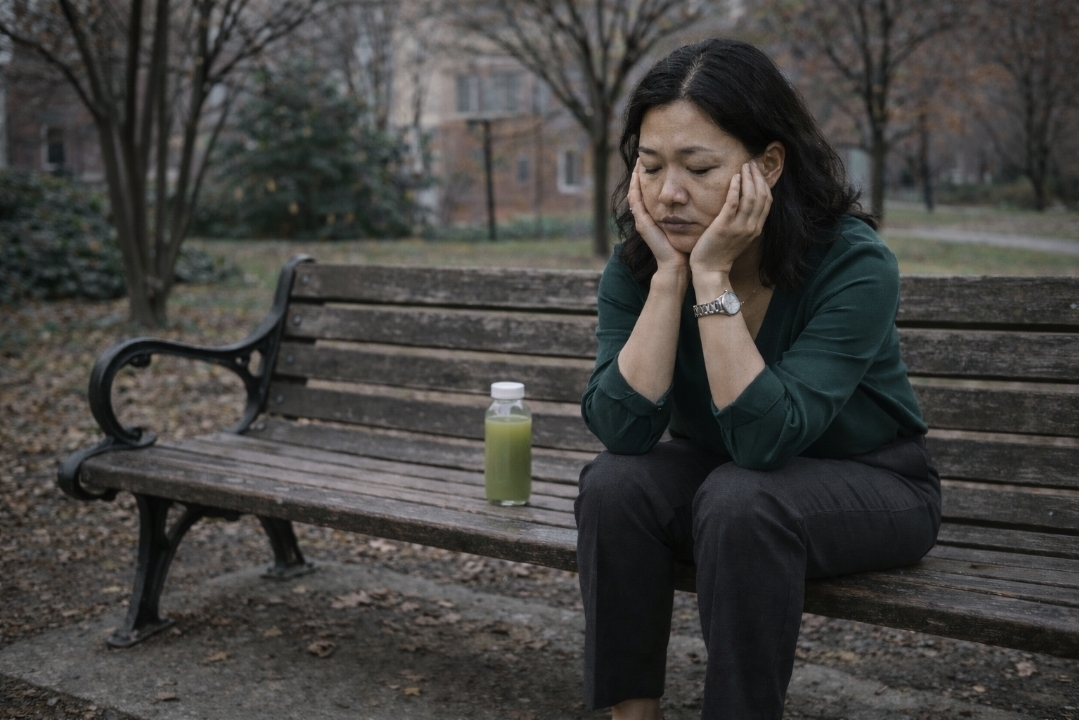
What Hunger Does to the Argument
Right before someone stops, hunger stops feeling like a passing feeling and starts changing the whole hour. The full explanation is in juice fasting hunger — this article is about what it does to your thinking, not why it happens.
It flattens the thinking. Options you would normally consider stop feeling worth the effort. The reason you started the cleanse — which was real, and made when your head was clearer — stops carrying the same weight it had a day earlier. Stopping is the only thing that feels convincing now. Everything else has gone quiet.
Your thinking narrows. The brain is looking for the quickest way to feel better. That way is stopping.
Warning: Late-day hunger makes stopping sound smarter than it is.
Do not treat that hour as the final call. Give it a little time before you let it decide the whole cleanse.
The Strange Certainty
At some point in that window, the decision stops feeling like a decision and starts feeling settled. The back-and-forth dies down. There is a mild relief, almost — the kind that comes from having made your mind up. The cleanse is over. The next step is food.
That certainty feels earned. It does not feel like giving in. It feels like landing on something sensible. Which is exactly how it felt the last time this same hour ended a cleanse early.
The certainty feels real. The hour producing it is not one I would trust. That is the whole problem with this part of the day — it makes you feel sure without helping you think straight.
This is also the moment that the harder-than-expected side of a cleanse stops feeling like something to push through and starts looking like proof. The flat, grinding difficulty that has been there since day one gets read as evidence. The cleanse was not working. Stopping is just acknowledging that.
Action: Do one thing before the decision settles.
Move out of the kitchen, let the hour pass, and make that call when your head is steadier. If stopping still feels right after that, it is a different decision.
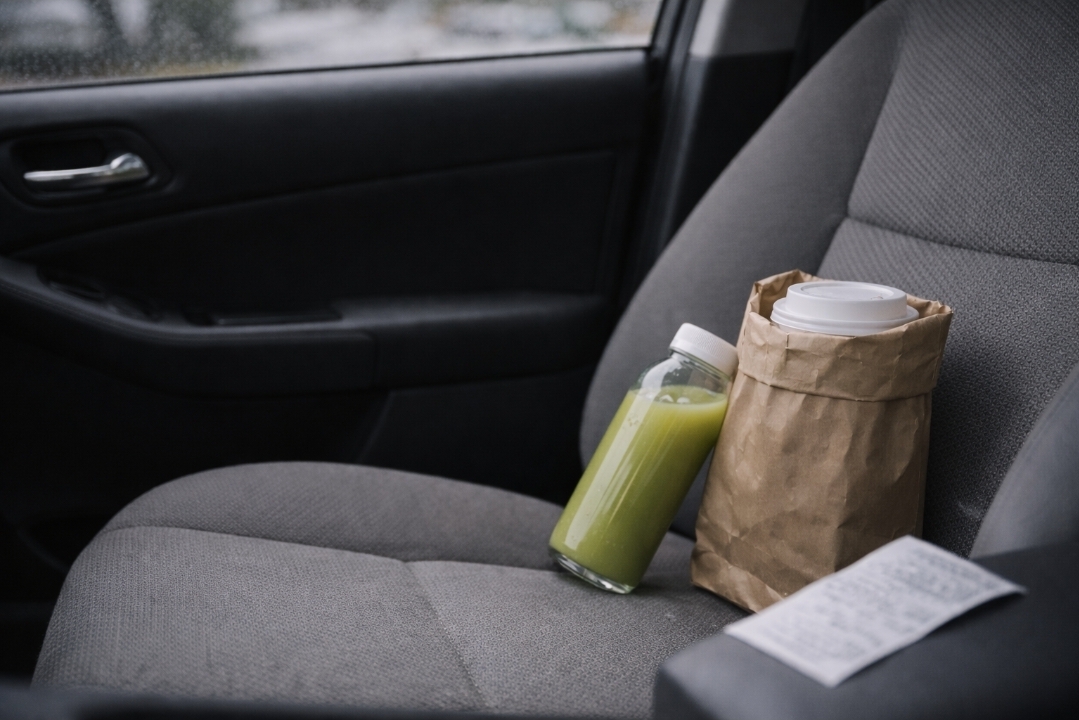
What the Next Day Looks Like
Push through the 3pm window on day two and day three reads differently. Not comfortable, necessarily. Not suddenly easy. But what that quitting hour feels like — the flat mood, the tunnel vision, the sudden certainty — is not there in the same form. The day feels different.
That is not the same as saying every cleanse should continue. If the difficulty has moved beyond a hard stretch, juice fasting mistakes covers the bigger mistakes that make a cleanse harder. The real question is whether the decision to stop is being made by the person who started the cleanse — or by the tired, hungry version of that person who has been awake since 6am and is sitting in the worst hour of the day.
That is not the same headspace. It should not be making the final call.