
People starting out tend to treat juicing and blending as the same thing with different equipment. They’re not. They produce different results, they work differently for fasting, and picking the wrong one for your goal can quietly undermine the whole effort. This page is here to clear that up — not to rank one above the other, but to help you choose based on what you’re actually trying to do.
Which One to Use If You’re Actually Fasting
If you’re comparing juicing vs blending for a juice fast, use juice: a juicer separates much of the fibre and pulp from the liquid. If you want a more filling drink that keeps the whole produce, blend it. Neither is automatically healthier; they serve different purposes.
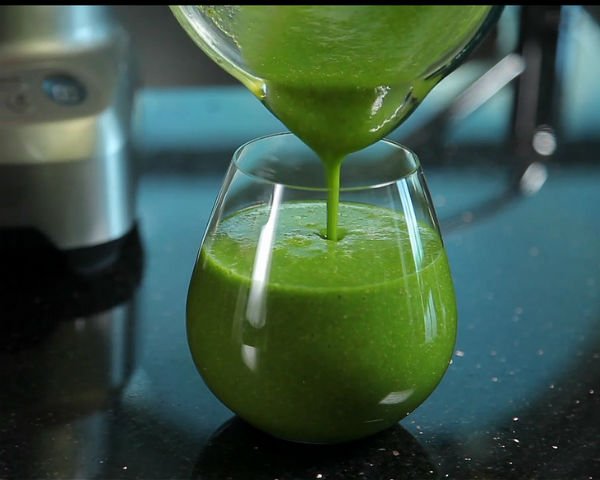
What Blending Actually Does

A blender breaks everything down — skin, pulp, fibre, liquid — into one thick drink. Nothing is removed. The fibre is broken up, which makes it easier to digest than eating the whole fruit or vegetable, but it’s still there. Your body still has to process it. That is one of the main differences from juicing, where much of the original fibre is separated into the pulp.
That fibre is what makes smoothies filling. It slows digestion, keeps hunger at bay, and means you’re not reaching for something else an hour later. Genuinely useful if you’re using a smoothie as a meal replacement. If you’re specifically doing a juice fast, though, a smoothie is a different drink because the fibre and pulp stay in the glass. And the caloric load of a fruit-heavy smoothie is often higher than people expect.
WARNING: A smoothie is not a juice fast. It keeps the fibre and pulp in the drink, so it works more like a meal or snack than strained juice. Treating blending as an alternative to juice fasting is one of the most common reasons people don’t get the results they expected.
What Juicing Actually Does
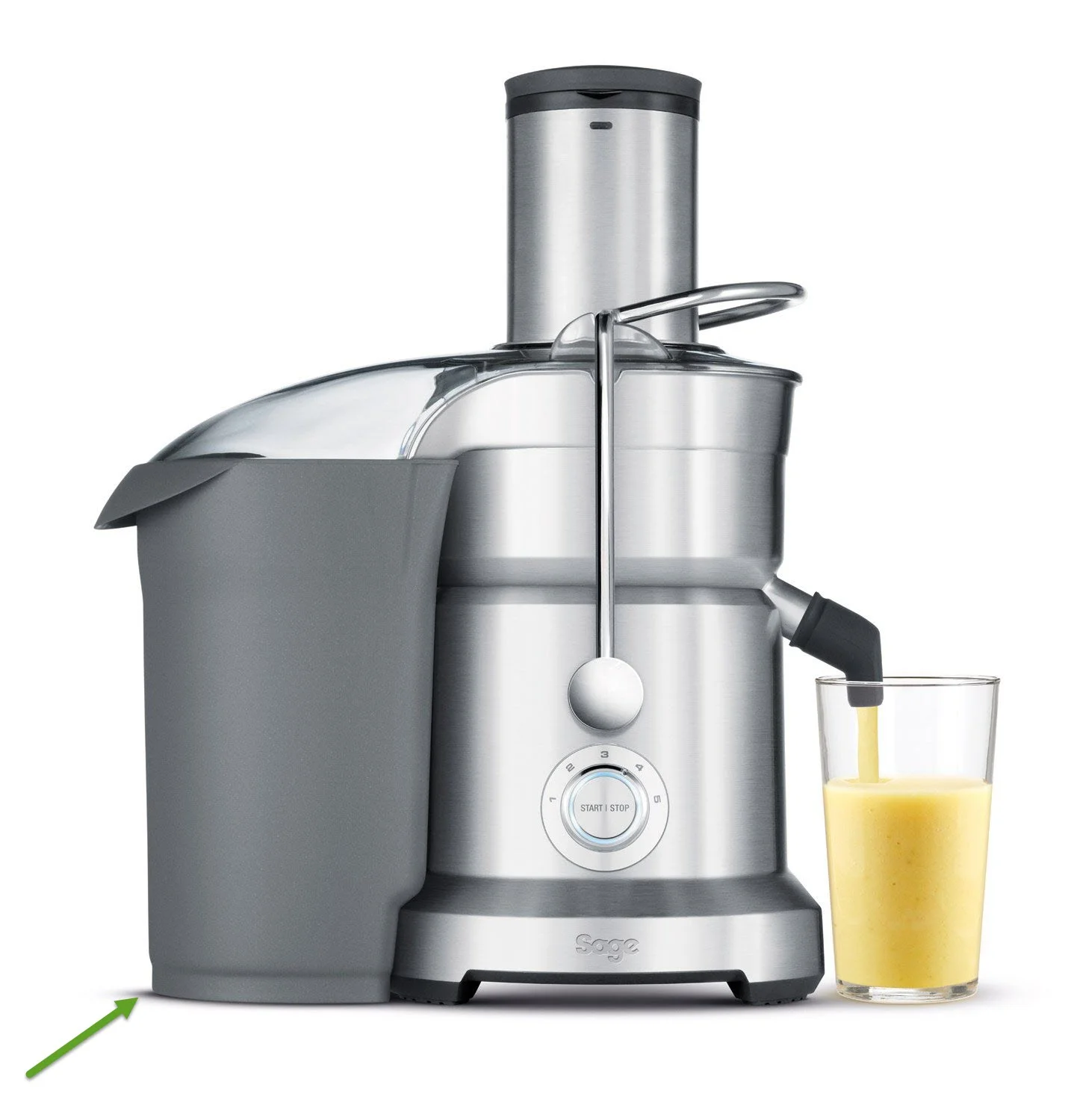
A juicer separates the liquid from much of the pulp and insoluble fibre. The drink still contains water, natural sugars, vitamins, minerals, small amounts of soluble fibre, and fine plant material. The pulp bin holds most of the fibrous material that a blender would keep in the drink.
Because juicing removes much of the fibre, juice is usually less filling than a smoothie and can be consumed more quickly. That does not make it nutritionally superior; it simply changes the balance of fibre, volume, and calories. If fullness matters most, blending usually has the advantage.
NOTE: Juice isn’t filling in the way a smoothie is. That’s not a design flaw — it’s how fasting works. If you’re doing a juice fast, hunger management is a separate thing to handle. The page on what to drink during a juice fast covers how to keep intake steady so hunger doesn’t become the reason you stop.
Why Juicing Fits a Juice Fast Better Than Blending
If you’re doing a juice fast, the distinction is simple: the plan is based on strained juice rather than a whole-produce smoothie. Blending keeps the fibre and pulp, so it is better treated as a meal or snack. That doesn’t make blending worse; it means it serves a different purpose.
For fat loss, total calorie intake matters more than whether the produce was juiced or blended. Vegetable-heavy juice can be lower in calories than a large fruit-heavy smoothie, but it is also less filling because much of the fibre is removed. If weight loss is the main goal, the juice fasting for weight loss page goes into what actually drives results and where people tend to go wrong.
Where Blending Still Makes Sense
Blending isn’t the wrong choice — it’s the wrong choice for fasting. If you’re eating normally most of the time and want to get more vegetables and fruit in without overhauling your diet, a smoothie is practical and filling. Works well as breakfast, works well as a lunch swap on non-fasting days.
Some people also use blending as a bridge out of a juice fast — reintroducing fibre gradually before going back to solid food. That’s sensible. Easier on the gut than going straight from juice to a full meal.
Why People Try Juicing and Think It Didn’t Work
The main one is using the two interchangeably. People start a “juice fast,” make smoothies, wonder why they’re still hungry and not seeing much change, and assume fasting doesn’t work for them. Usually they just weren’t fasting.
Going fruit-heavy with juicing is the other one. Fruit-heavy juice can be high in natural sugars and calories, and because much of the fibre is removed it may be less filling than whole fruit or a smoothie. Vegetable-dominant juice with a little fruit for flavour is usually a more balanced starting point — especially if weight loss is the reason you’re here.
NOTE: If you’re new to juice fasting and not sure how to set it up day-to-day, the how to juice fast page is the most practical starting point on this site.
Which One Is Right for You
If you’re here because you want to do a juice fast — even just a few days — use a juicer. If you want a drink that keeps the fibre and pulp and is more filling, use a blender.
If you’re not fasting, just trying to eat better and get more produce in, blending is fine. It’s practical and easier to sustain as a daily habit alongside normal meals.
Most people end up using both at different times — juice during fasting periods, smoothies on regular days. That works. The thing that doesn’t work is treating them as the same and expecting the same outcome. They’re different tools. Once you’re clear on that, the choice is usually obvious.