

Celery Juice Benefits: Does It Really Help Weight Loss, Detox & Blood Pressure?
Celery juice has gone from “weird wellness thing” to a daily ritual for a lot of people. Some drink it for digestion. Some swear it helps them lose weight. Others claim it supports detox, clearer skin, and even lower blood pressure.
So what’s real, what’s exaggerated, and what’s just people noticing the benefits of adding a consistent healthy habit?
This guide is a practical, evidence-aware breakdown of what celery juice can do for you when used properly. It’s balanced, but it leans pro-celery for a simple reason: for many people, it’s an easy “gateway habit” that nudges diet, hydration, and consistency in the right direction.
We’ll cover the big claims (weight loss, detox, blood pressure), the actual mechanisms (hydration, electrolytes, phytonutrients), the best way to use it, side effects, who should be cautious, and how to build it into your routine without turning it into a religion.
What Is Celery Juice and Why Is Everyone Drinking It?
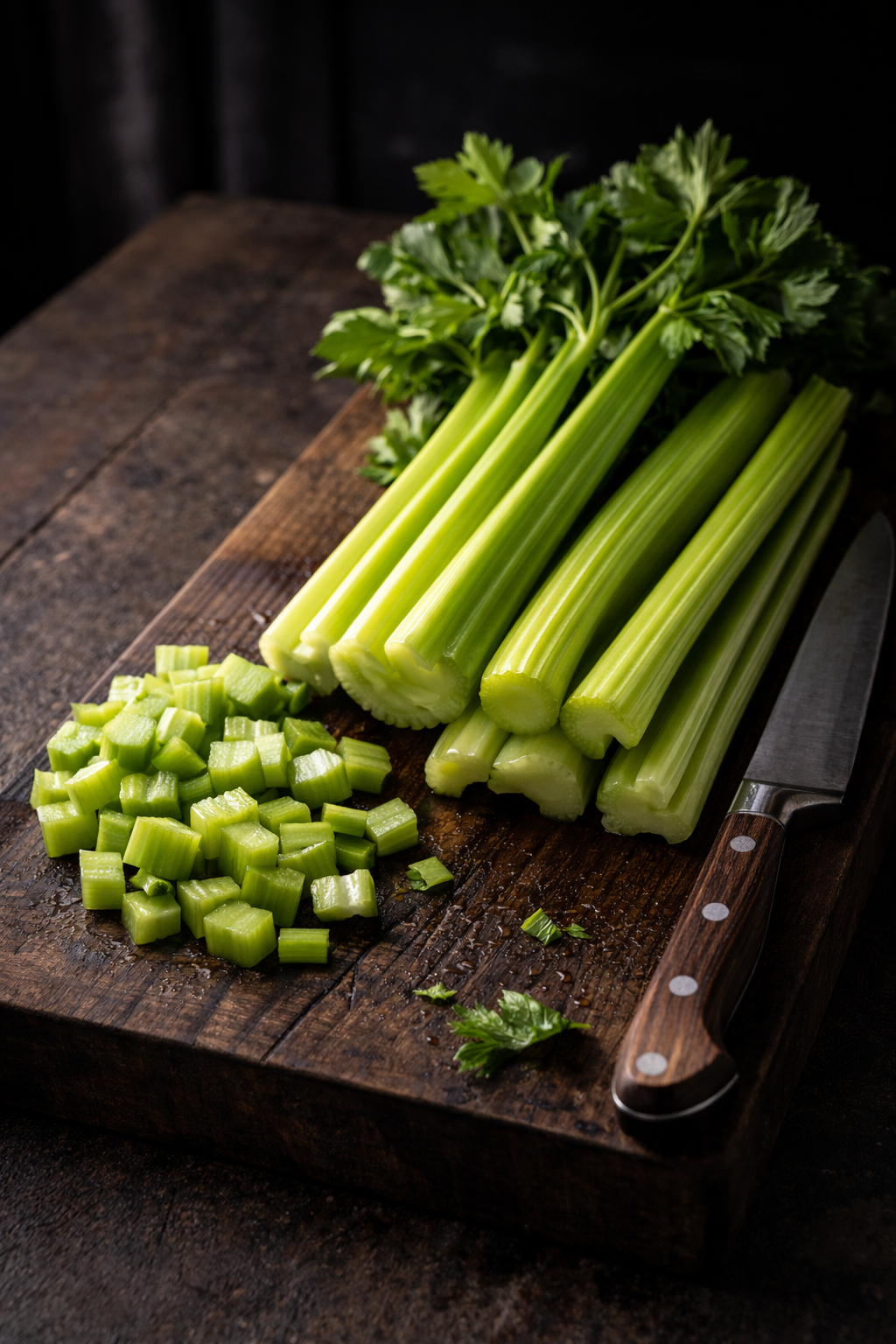
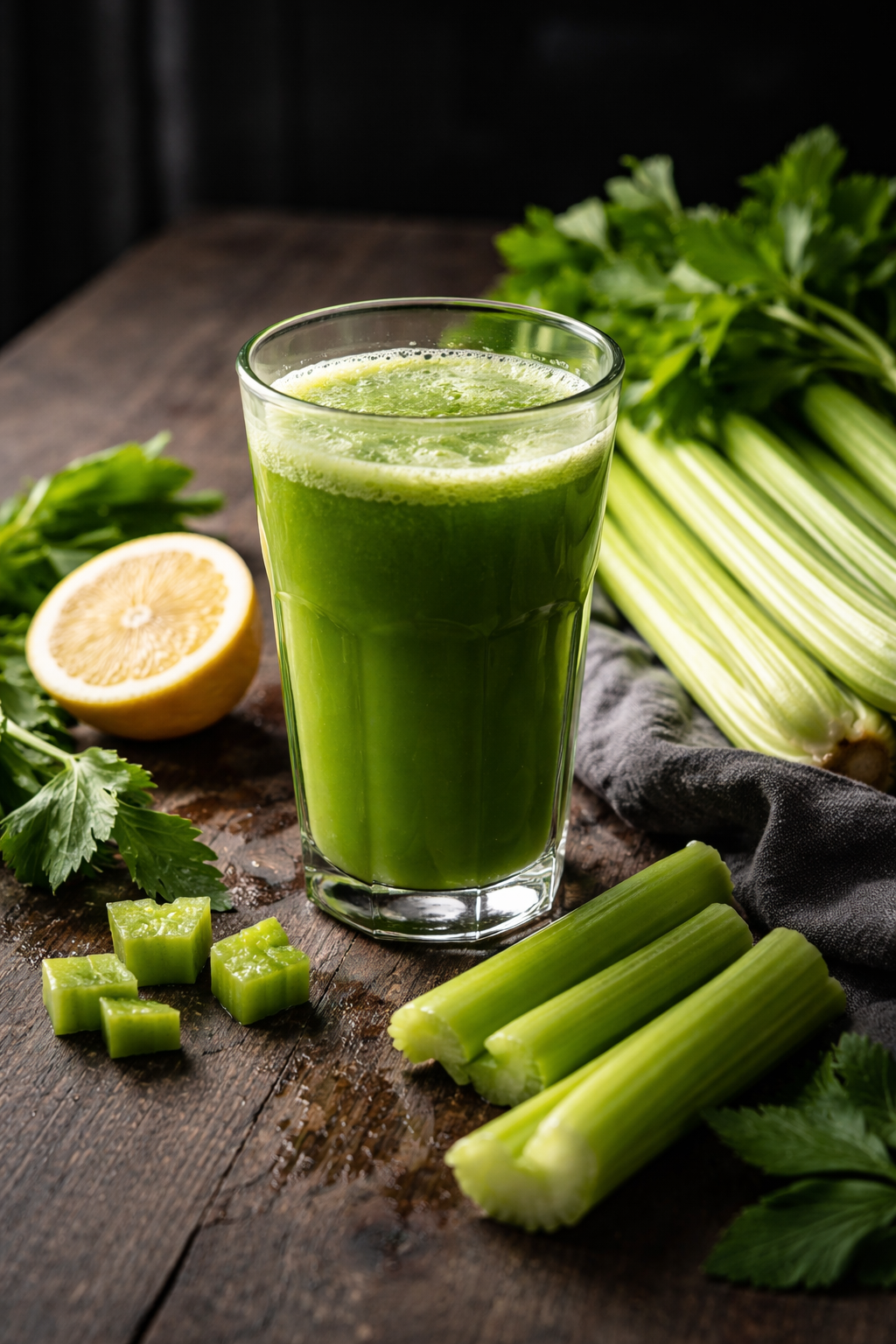
Celery juice is exactly what it sounds like: celery stalks (usually a full bunch) juiced into a concentrated green drink. Most people drink it straight, often first thing in the morning, and typically on an empty stomach.
It became mainstream because it’s simple, it feels “clean,” and it’s easy for people to repeat daily. Unlike complex diet plans, celery juice is one action you can do consistently. That consistency is often the hidden reason people feel better.
Celery juice also sits inside a wider ecosystem of green juice, detox drinks, and fasting routines. If you want background on how celery got positioned as a “super-drink,” this article is a useful companion read: Is Celery Juice the New Kale? 10 Potential Benefits You Didn’t Know About.
Celery Juice Nutrition: What’s Actually In It?
Celery juice is not a high-calorie beverage. It’s mostly water. But it does contain micronutrients and plant compounds that can matter in the real world when consumed consistently.
Typical celery juice contains:
- Water (hydration support)
- Natural sodium (electrolyte component)
- Potassium (electrolyte balance)
- Vitamin K (blood clotting + bone support)
- Folate (cell health)
- Antioxidants (plant-based protective compounds)
- Flavonoids like apigenin and luteolin (inflammation signalling support)
Important nuance: celery juice is not a substitute for eating vegetables. Juicing removes most fiber. That doesn’t mean it’s bad; it just means you should still eat whole plants alongside it. Think of celery juice as a focused hydration + micronutrient tool, not your entire nutrition strategy.
The Core Benefits People Notice From Celery Juice
When people say “celery juice changed my life,” it’s usually one (or more) of the following:
- Less bloating and a “lighter” digestive feel
- Better hydration (especially if they were underhydrated before)
- More consistent morning routine (habit stacking effect)
- Reduced cravings (often from improved hydration + structured eating)
- Improved bathroom regularity (not always, but common)
Now let’s tackle the big three claims head-on: weight loss, detox, and blood pressure.
Celery Juice for Weight Loss: Does It Actually Work?
Celery juice doesn’t “melt fat.” There’s no magic mechanism that overrides energy balance. But celery juice can support weight loss indirectly in ways that are actually meaningful.
How Celery Juice Can Support Weight Loss
- Calorie displacement: Replacing sugary drinks or snacks with a low-calorie juice can reduce daily intake without feeling deprived.
- Hydration-driven appetite control: Mild dehydration is often misread as hunger. Hydrating early can reduce “phantom hunger” and random snacking.
- Morning structure: People who start the day intentionally often make better choices later (this is behavioural, not mystical).
- Reduced processed foods: Celery juice routines often pull people toward cleaner eating patterns overall.
If you want a focused breakdown on the fat-loss angle, read: Celery Weight Loss. And if you want practical variations that keep it enjoyable, start here: 5 Amazing Celery Juice Recipes to Aid Weight Loss.
Reality check: if celery juice “works” for your weight loss, it’s because it supports a pattern that lowers calories or increases consistency. The juice itself is a tool, not the whole plan.
Does Celery Juice Detox Your Body?
“Detox” is a loaded word. Your liver and kidneys do detoxification continuously. Celery juice does not replace your organs.
But celery juice can support the conditions that help your body function at its best:
- Hydration: supports kidney filtration and healthy bowel movements.
- Antioxidant intake: helps reduce oxidative stress load.
- Morning digestive stimulation: some people notice better regularity.
- Reduction in processed food: detox “feels” stronger when people stop eating irritants.
If you want the deeper “detox framework” version, this is your linked article: Detoxing With Celery Juice.
Here’s the balanced, pro-celery stance: celery juice can be part of a detox-style reset because it’s easy to repeat and it supports hydration. Just don’t turn “detox” into magical thinking. Pair it with whole foods, sleep, reduced alcohol, and consistent movement.

Celery Juice and Blood Pressure: What’s the Real Deal?
Blood pressure is where celery juice gets genuinely interesting. Celery contains natural compounds that may support blood vessel relaxation and circulation. It also contains potassium, which is part of healthy blood pressure regulation.
However, celery also contains sodium. That doesn’t automatically make it “bad,” but if you’re sodium-sensitive or have hypertension, you should monitor how you respond and consult your healthcare professional if you’re on medication.
If you want a specific recipe-style guide that’s aligned to this topic, use: Celery Juice Recipe for High Blood Pressure.
Practical Blood Pressure Guidance
- Start with a modest serving (e.g., 8 oz) and assess how you feel.
- Don’t combine celery juice with a high-sodium diet and expect “balance.”
- Support it with potassium-rich whole foods (leafy greens, beans, squash).
- Hydrate normally throughout the day.
Does Celery Juice Break a Fast?
Technically, yes. Celery juice contains calories and carbohydrates, so in a strict sense it breaks a fast.
But the more useful question is: does it disrupt the goal of your fast?
For people fasting strictly for autophagy or religious/discipline reasons, any calories matter. For people fasting for appetite control and metabolic rhythm, a small amount of celery juice can still “fit” — especially if it stops you from snacking or overcompensating later.
Full breakdown here (keep this linked inside this pillar): Does Celery Juice Break a Fast?
Best Time to Drink Celery Juice
The classic approach is: drink celery juice in the morning, on an empty stomach, and wait 15–30 minutes before eating. People do this because it’s simple and consistent — not because it’s magic.
But if mornings are chaotic, you can still get benefits drinking it at another time. The key is repeatability.
Three Practical Timing Options
- Morning empty stomach: easiest to keep consistent.
- Before lunch: useful if you’re prone to afternoon snacking.
- Early evening: can replace sugary drinks or “treat” cravings.
Potential Side Effects of Celery Juice
Most people tolerate celery juice well. But side effects are real, especially when people overdo it or treat it like a cure-all.
- Loose stools: common when increasing quickly.
- Bloating: can happen if your gut is sensitive.
- Sodium sensitivity: some people feel “puffy” or get headaches.
- Reflux irritation: uncommon, but possible in sensitive individuals.
- Allergy: celery allergy exists (rare, but real).
The fix is simple: start small, build gradually, and don’t force a dosage that makes you feel worse.
Who Should Be Cautious With Celery Juice?
If you fall into any of the groups below, be cautious and consider speaking to a healthcare professional (especially if you’re on medication):
- People with kidney disease or severe electrolyte disorders
- People with very high blood pressure on medication (monitor responses)
- People with sodium sensitivity
- People with known celery allergy
How to Make Celery Juice Properly
If you want the highest-quality celery juice experience, don’t overcomplicate it:
- Use fresh celery (organic when practical)
- Wash thoroughly
- Juice (or blend then strain if needed)
- Drink fresh
- Don’t store for days; oxidation reduces freshness and taste
If you like recipe variety, use this as your companion resource: 5 Amazing Celery Juice Recipes to Aid Weight Loss.
Celery Juice vs Green Juice: Which Is Better?
Celery juice is simple and consistent. Green juice blends can be more nutrient-diverse but often include fruit (more sugar). If your goal is blood sugar stability or fasting compatibility, celery juice is usually easier to control.
The best approach for most people is not “either/or.” It’s “celery juice as a consistent base habit, plus whole vegetables and occasional green blends for variety.”
Frequently Asked Questions
How long does it take to see results from celery juice?
Some people notice less bloating and better hydration within a few days. Blood pressure and weight-related changes usually require consistent habits over weeks, not days.
Can celery juice help belly fat?
Celery juice doesn’t target belly fat directly. It may support weight loss by improving hydration and reducing cravings, but fat loss still requires overall calorie control and consistent routines.
How much celery juice should I drink per day?
Many people start with 8 ounces and increase to 12–16 ounces if tolerated. More is not always better. If you feel worse, reduce the amount.
Is celery juice safe to drink every day?
For most healthy individuals, moderate daily celery juice is fine. If you have kidney issues, sodium sensitivity, or take blood pressure medication, monitor your response and seek medical advice if unsure.
Does celery juice really detox the body?
Your liver and kidneys detox naturally. Celery juice may support the process indirectly by improving hydration and reducing inflammatory load, especially when it replaces processed foods and sugary drinks.
Bottom Line
Celery juice isn’t a miracle drink, but it’s not worthless either. For many people, it’s a simple daily habit that improves hydration, supports better food choices, and can complement weight loss, digestion, and blood pressure goals.
If you want a smart approach, treat celery juice as a tool: start small, build consistency, combine it with whole foods, and avoid the trap of expecting one drink to fix everything.
Want a Structured Detox Plan?
If you’re using celery juice as part of a reset, a structured plan beats guessing. A clear framework helps you stay consistent, avoid common mistakes, and actually follow through.