
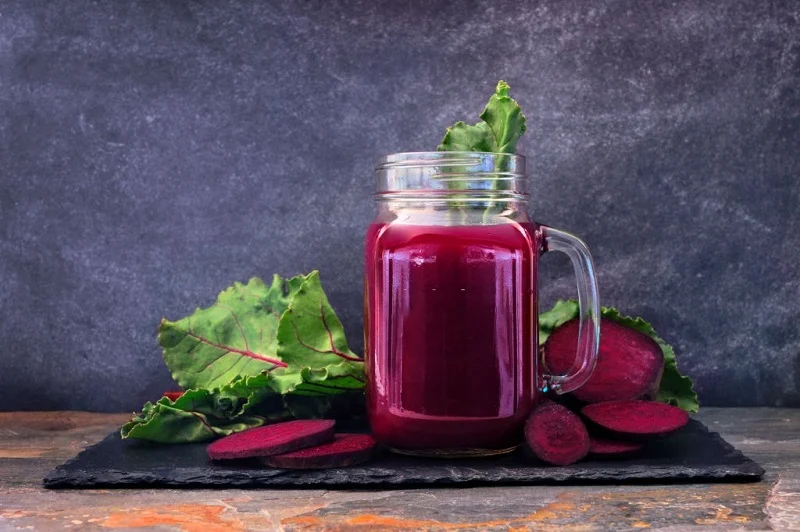
Beetroot juice can start working within about 1–3 hours, but most people do not feel a sudden change. Many people drink it and notice nothing obvious at all.
When beetroot juice helps, it usually starts inside the blood vessels. Your body uses nitrates from beetroot to make nitric oxide, which helps blood vessels relax and open up. That can make blood flow easier, even if you do not feel it clearly.
For general circulation, drinking it regularly may matter more than one glass. One glass can help, but beetroot works best alongside proper meals, regular movement, less sugar, and fewer habits that hurt circulation.
Usually 1–3 Hours
Most people drink beetroot juice around 1–3 hours before they want the effect. That gives your body time to convert beetroot nitrates into nitric oxide.
The exact timing varies. A strong beetroot juice may work differently from a weak bottled drink mixed with apple or other sweet juices. A large meal can slow things down. Some people also convert nitrates more efficiently than others.
Your mouth matters too. The bacteria in your mouth help turn nitrates into nitric oxide, which is one reason heavy antibacterial mouthwash use can get in the way. You do not need to obsess over that, but it is one reason beetroot does not work the same way for everyone.
What Happens After You Drink It
After you drink beetroot juice, its nitrates are absorbed and converted into nitric oxide. Nitric oxide helps blood vessels relax. When blood vessels relax, blood can move more easily.
That is why beetroot juice is often used for circulation. It is not because beetroot is a magic food. Its nitrates help your body make nitric oxide, which is already involved in healthy blood flow.
For circulation specifically: does beetroot juice improve circulation?
Why You May Not Feel Anything
Beetroot juice can have an effect without giving you a clear feeling. You may not feel warmer, lighter, more energetic, or suddenly different. That does not mean nothing happened.
Some changes are easier to notice when you are moving, such as walking, climbing stairs, or doing normal daily jobs. Even then, the effect may be subtle.
It is also possible that beetroot does very little for you. If your circulation problems are linked with smoking, untreated high blood pressure, artery disease, poor sleep, heavy alcohol, medication issues, or long hours sitting, beetroot juice alone is unlikely to make a clear difference.
One Glass vs Drinking It Regularly
One glass of beetroot juice may start working within the 1–3 hour window.
Drinking it regularly is different. If beetroot juice replaces fizzy drinks, alcohol, or very sweet juices, and gets more nitrate-rich vegetables into your week, it may be more useful over time. That does not mean you need a strict beetroot plan or a daily challenge. It just means the rest of the week matters too.
Do not judge beetroot juice only by one serving. If you drink it once, feel nothing, and go back to sweet drinks, heavy alcohol, and very little movement, the beetroot was never going to do much.
What Changes the Timing
Several things can change how quickly beetroot juice seems to work.
- Strength of the juice: a strong beetroot juice is different from a weak mixed fruit drink.
- Serving size: a tiny amount may not do much.
- Recent food: a heavy meal may slow absorption.
- Mouth bacteria: nitrate conversion starts partly in the mouth.
- Your health: blood pressure, medications, circulation problems, and daily activity can all affect the result.
This is why timing is never exact. Beetroot juice may start working within a few hours, but your response may be slower or harder to notice.
Fresh Juice, Bottled Juice, and Cooked Beetroot
Fresh beetroot juice is usually the simplest option when timing matters. It is direct, easy to drink, and separate from a full meal.
Bottled beetroot juice can also work if it is strong enough and not padded out with lots of sweet fruit juice. Check the label. Some bottles are more apple juice than beetroot.
Cooked beetroot is still a good food, but it is less direct for timing. It comes with the rest of the meal and is not as easy to compare with a glass of juice. That does not make it bad. It just makes it different.
When to Get Checked
Beetroot juice is not enough when symptoms are persistent, worsening, or worrying. Get checked if you have chest pain, shortness of breath, dizziness, fainting, leg pain when walking, swelling, numbness, high blood pressure, diabetes, or heart disease.
Beetroot can be part of a better diet, but it should not be used to delay care. If circulation symptoms are getting worse, a glass of juice is not the answer.
For most people, the answer is simple: beetroot juice may start working within 1–3 hours, you may not feel anything dramatic, and drinking it regularly only helps if the rest of your diet and lifestyle are not working against it.