

Pickle Juice and Digestion: Constipation, Diarrhea, Gas, and Gut Reactions Explained
Pickles and pickle juice can affect digestion in surprisingly different ways depending on your gut, your hydration status, and how much you consume.
This guide focuses specifically on digestive reactions — constipation, diarrhea, gas, nausea, and “do pickles make you poop?” — with practical answers you can actually use.
If you want the broader overview (benefits, side effects, headaches, and safety), start here: pickle juice benefits and side effects.
What’s in Pickles and Pickle Juice That Can Affect Digestion?
Digestive effects usually come from a handful of components:
- Vinegar (acetic acid): can stimulate digestion, but may irritate sensitive stomachs.
- Sodium: may support hydration in some cases, but excessive intake can worsen bloating or stool looseness.
- Fermentation/probiotics (only in truly fermented, unpasteurised pickles): may support gut balance for some — but can increase gas for others.
- Spices: garlic, dill, mustard seed, and others can be digestive-friendly or triggering depending on sensitivity.
Bottom line: pickle digestion effects are highly individual. The same brine that helps one person can trigger reflux or bloating in another.
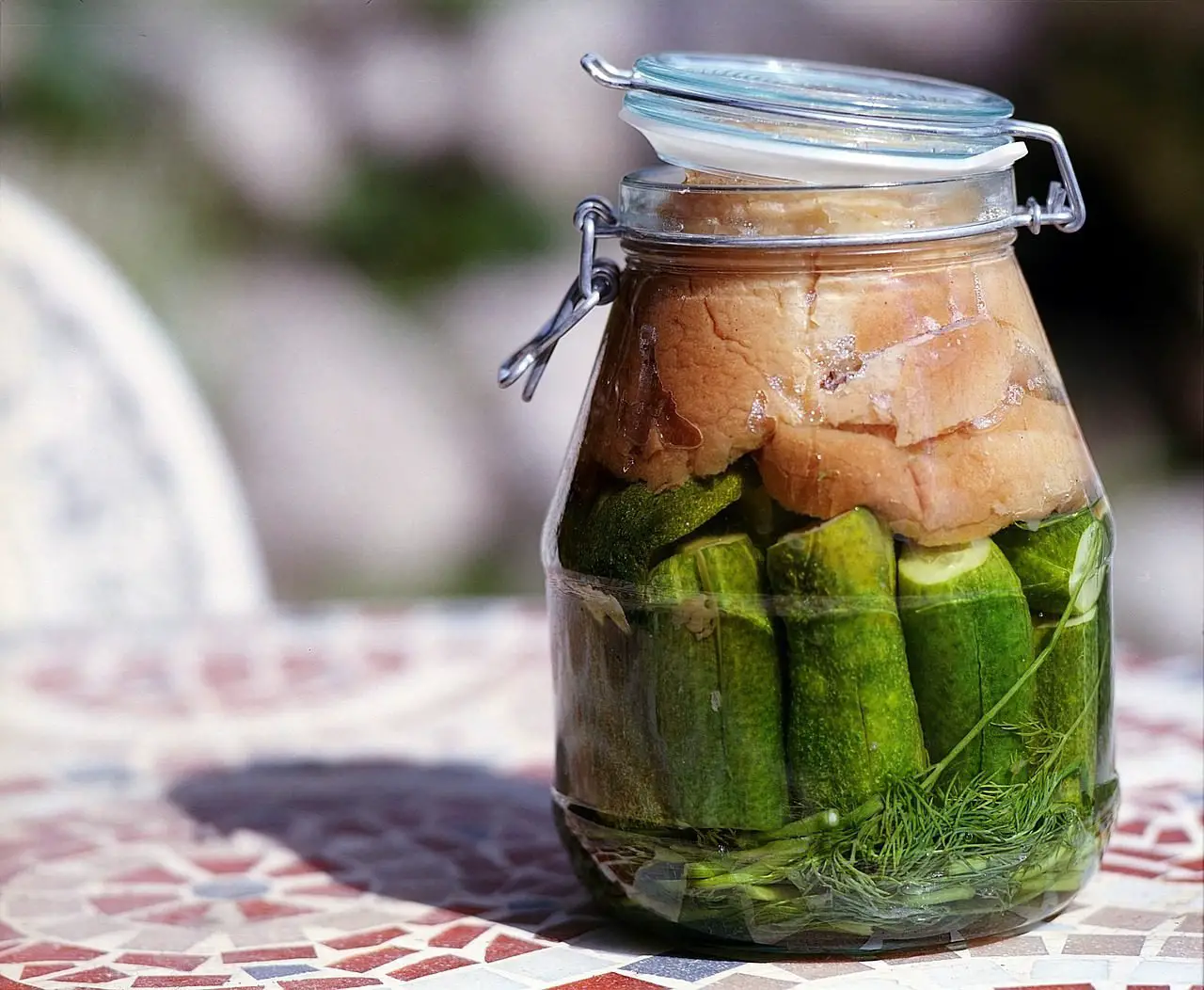
Do Pickles Make You Poop?
Sometimes — but not for the reason people think.
Pickles may influence bowel movements in a few ways:
- Acidity: vinegar can stimulate digestion and gut movement in some people.
- Salt + fluid: if you’re mildly dehydrated, sodium plus liquid may support hydration status and bowel function.
- Fermentation: fermented pickles can shift gut bacteria and affect regularity (good or bad depending on your baseline).
Practical take: if pickles reliably make you need the toilet, it’s usually dose-related. Reduce portion size before assuming they’re “bad” for your gut.
Does Pickle Juice Help Constipation?
Pickle juice is not a reliable laxative — but it can nudge digestion for some people.
Here’s when it might help:
- You’re mildly dehydrated and low on electrolytes.
- You tend to respond to acidic foods with increased gut movement.
Here’s when it may not help (or make it worse):
- You’re sensitive to vinegar / have reflux.
- You already consume a high-sodium diet (bloating + water retention).
- You drink too much and trigger stomach irritation.
Better approach: fibre + hydration + regular meals beats “pickle juice hacks” every time. If constipation is persistent, address the basics first.
Can Pickles or Pickle Juice Cause Diarrhea?
Yes — mainly due to excess intake.
Large amounts of salty brine can draw water into the intestines, which can loosen stools. Acidic liquids can also irritate the gut lining in sensitive people.
Rule of thumb: if pickle juice causes loose stools, your dose is too high or your stomach is sensitive to acid. Stop treating it like a health drink.
Do Pickles Cause Gas or Bloating?
They can.
Gas and bloating tend to happen when:
- You’re sensitive to fermented foods.
- The pickle ingredients include garlic/onion/spices that trigger bloating.
- You eat large portions (especially alongside other salty foods).
Practical fix: reduce portion size first. If you suspect fermentation is the trigger, try non-fermented vinegar pickles and compare.
Can Pickles Help Nausea?
Some people find sour foods reduce nausea. Pickles and pickle juice may help by stimulating saliva and digestive reflexes.
But if you have reflux or an irritated stomach, the acidity can make nausea worse.
Practical take: small amounts only. If it helps, fine. If it worsens symptoms, drop it.

Pickle Juice and Headaches
Many people associate pickle juice with headache relief, often assuming it’s an “electrolyte fix.” That can be relevant if your headache is driven by dehydration, heavy sweating, or electrolyte imbalance.
But it won’t help every headache type — and it shouldn’t replace medical advice.
Full breakdown here (including when it’s likely to work vs not): does pickle juice help with headaches?
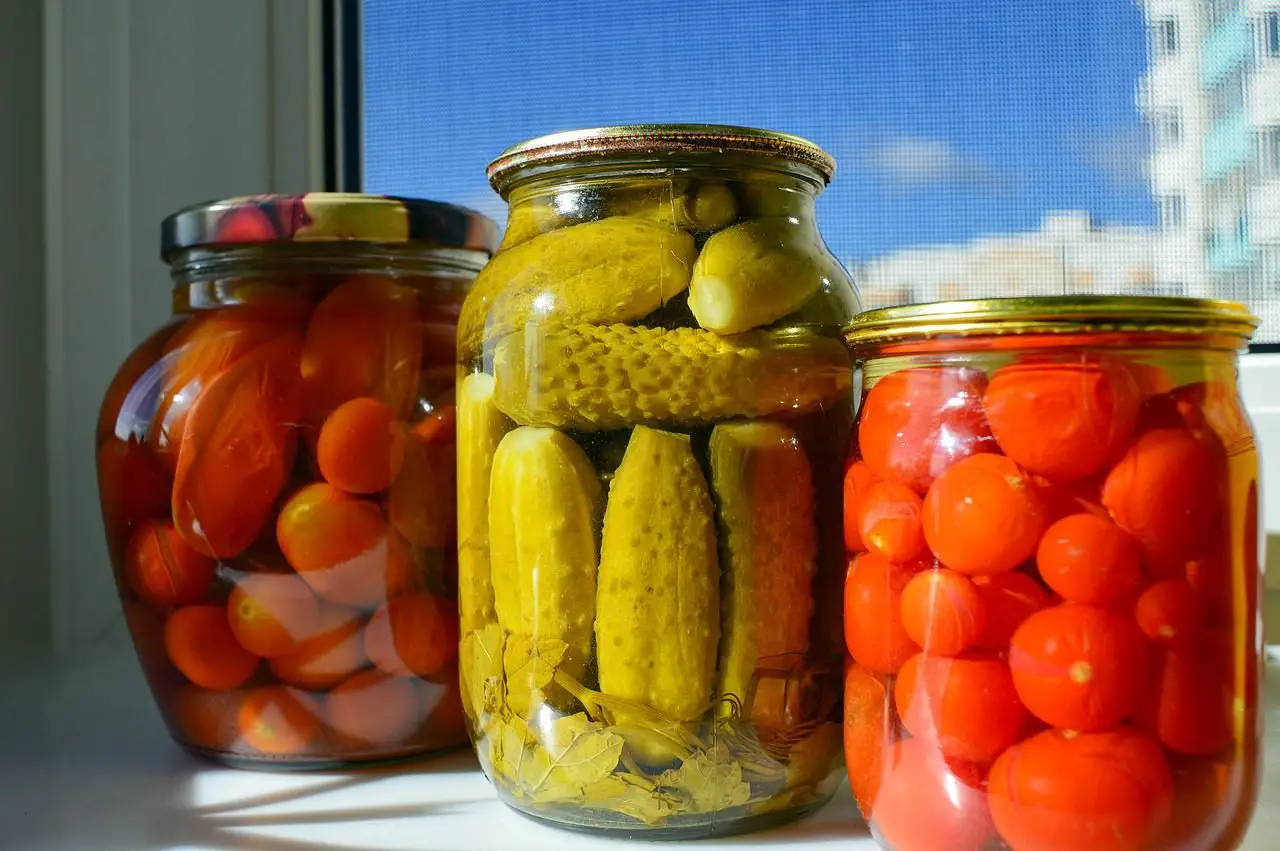
When to Avoid Pickles or Pickle Juice for Digestion
Limit or avoid pickles/pickle juice if you:
- Have acid reflux that worsens with vinegar
- Have high blood pressure or sodium sensitivity
- Notice consistent bloating or loose stools after fermented foods
- Are trying to reduce water retention
If you want the complete big-picture overview (including side effects and safety), refer back to the hub: pickle juice benefits and side effects.

Final Takeaway
Pickles and pickle juice can support digestion for some people — but they can also trigger gas, loose stools, or reflux depending on sensitivity and dose.
The best approach is simple: start small, observe your response, and stop forcing “health hacks” that your gut clearly doesn’t like.
Want a More Structured Approach to Gut Support?
If you’re serious about improving digestion, hydration, and overall gut comfort, structured guidance beats random hacks.
Explore a trusted health resource related to this topic here.
This link may direct you to a partner resource aligned with the focus of this article.
Resources
- Scientific studies on fermented foods and gut health: