
Water Fasting vs Juice Fasting: What Actually Happens
People who are looking into fasting for weight loss or a reset often end up comparing water fasting and juice fasting without a clear sense of what either actually involves. The two are different enough that the choice matters — not just for results, but for whether you’ll finish what you started. This page covers both, honestly, so you can make a better decision going in.
What Water Fasting Actually Is
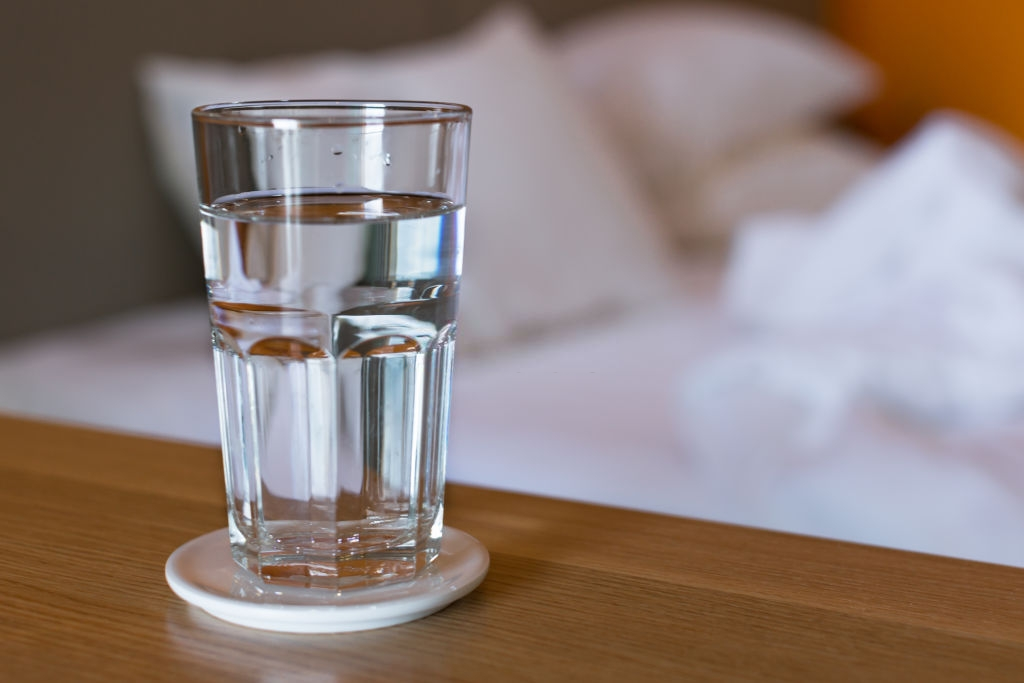
Water fasting means zero calories. Nothing but water — no juice, no broth, no coffee — for a defined period. That’s it. Most people do 24 to 72 hours. Some go longer, though anything beyond a few days starts carrying real risks and isn’t something to approach without medical guidance.
People turn to it for weight loss, for a hard digestive reset, or for religious or spiritual reasons. The premise is simple: remove all intake, let the body shift into a fasted state, and see what happens. In practice, it’s more difficult than it sounds.
What Actually Happens
The first several hours are usually manageable. By the end of day one, most people are dealing with real hunger, low energy, and difficulty concentrating. Some get headaches. Some feel dizzy standing up. This isn’t unusual — it’s the body adjusting to zero intake — but it’s also where a lot of people stop.
By day two, some people turn a corner and feel clearer. Others don’t, and the discomfort builds. Sleep can be disrupted. Physical activity becomes difficult. If you’re working or trying to maintain a normal routine, a water fast is hard to sustain. The experience varies, but the drop-off rate is high. Most people who plan three days don’t complete three days.
Where It Breaks Down for Most People
The core issue with water fasting isn’t the idea — it’s adherence. When intake is zero and hunger and fatigue spike, stopping feels justified. In many cases, it is. Starting without preparation or a clear endpoint is how people quit early and assume fasting doesn’t work.
People with diabetes, eating disorders, or other metabolic conditions should not water fast without medical supervision. Children and pregnant women shouldn’t do it at all. Even for healthy adults, longer water fasts carry risks that shouldn’t be ignored.
The other issue is what happens after. Breaking a water fast badly — jumping straight back into heavy food — often causes more problems than the fast itself. If you do water fast, easing back in with juice or broth is the safer approach.
Where Juice Fasting Differs
Juice fasting keeps intake low — low enough to reduce digestive load and support weight loss — but not zero. That difference might sound small, but it changes how the fast actually feels day to day.
Most people find juice fasting easier to sustain. Hunger is still there, especially early on, but it’s manageable in a way that zero-intake fasting often isn’t. If hunger becomes the sticking point, the juice fasting hunger page breaks down how to handle it. Energy tends to stabilise faster, and people can usually maintain a normal routine.
For weight loss, results are comparable for most people when the fast is done properly. The juice fasting for weight loss page explains what actually drives results and what to expect.
When Water Fasting Might Make Sense
There are cases where water fasting is used deliberately — short durations, clear structure, sometimes with medical oversight. A 24-hour fast is relatively low-risk for most healthy adults and can work as a reset for some people.
But for most people starting out, or looking for something repeatable without it becoming a grind, water fasting isn’t the most practical option.
Where to Go From Here
If you’re aiming for a reset — weight loss, a break from constant eating, or something structured — juice fasting gets you most of what water fasting offers, with a much higher chance of actually finishing it.
Before starting, it’s worth knowing where people go wrong. The juice fasting mistakes page covers the patterns that derail most beginners. And if you’re ready to set one up properly, the how to juice fast page is the right starting point.
A juice fast you can follow through on will always beat a water fast you abandon halfway through.